They said I was just a kid, a young girl and that politics wasn’t for someone like me
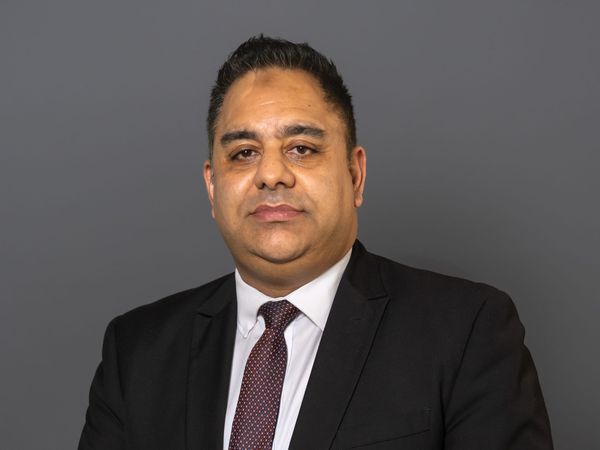
In 2024, Atira-Rose Malik became the UK’s youngest South Asian Muslim woman to be elected as a councillor. Here she reflects on her experience in local government.

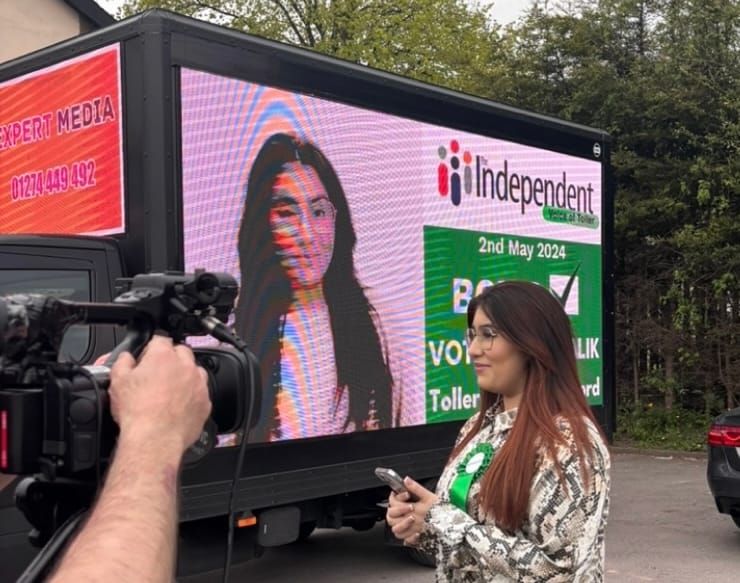
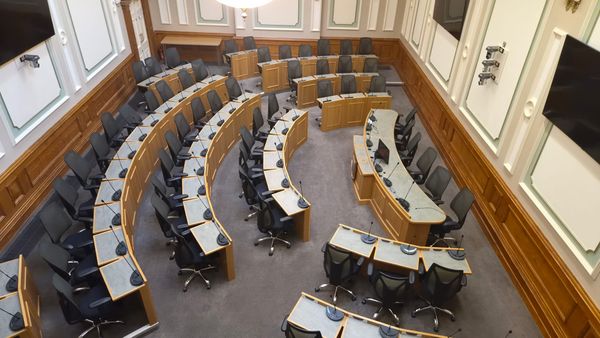
When I was elected as a councillor at the age of 18, many saw only a young girl knocking on doors in Toller Ward. Some said I was too young, “just a girl”, or that politics was not for people like me. That it belonged to those with experience, connections and the right background.
They were right – because I had none of those things. But they were also very wrong – because what I did have was lived experience, a deep sense of injustice and years of serving my community long before entering the council chamber. And that made me more than qualified to be a councillor.
Before I was elected, I worked with West Yorkshire Police to improve relations between young people and the police, campaigned against knife crime and supported national work to make public spaces safer.
I stood in solidarity with the Black Lives Matter movement, advocated for elderly residents and drew strength from my own gypsy, traveller and Roma background to stand up for those communities too.
I helped families through JENGbA, raised funds for humanitarian causes including Palestine and Yemen – and, every Ramadan, my family and I distributed meals and food packs to those in need.
I did not enter politics to start serving – I entered because I was already serving. And also because I had once been a young girl failed by systems meant to protect her. That stays with me in everything I do.
I became one of the country’s youngest councillors and the youngest South Asian woman elected in England. At first, I did not fully grasp what that meant. Only later did I realise how many people saw themselves reflected in my journey – families travelled to meet me, young people said they finally believed they belonged in public life.
But there is a darker side rarely spoken of. Alongside the support came hate, bullying and unfair scrutiny – both in person and online. There were rumours spread to undermine me, assumptions made about my character, and people who tried to silence my voice simply because of who I was.
It was personal, relentless, and at times hard to bear. One thing I remember was when I was told “to get my exams done”, that I was “just a girl” and “too young” to be a councillor.
Local government itself is mostly unseen work, too: paperwork, casework, safeguarding concerns, late nights and constant problem-solving. We carry people’s struggles – housing need, poverty, mental health, vulnerability – home with us, while also having to withstand criticism that often feels unfair or unfounded.
As an independent, I quickly understood the imbalance of power. Without a political party behind you, decisions often feel shaped before independent voices are even heard. It could be isolating – but it also meant my loyalty was always first and foremost to residents.
Being young, female and from an ethnic minority meant constantly having to prove my worth. After I was elected, I chose to wear the hijab – a personal choice rooted in faith, but one that also brought even more attention and judgment. Still, I believe representation is not symbolic. It is powerful.
Politics can be inspiring, but it can also be exhausting. The hate, the bullying and the noise around me took a real toll on my mental health. There were times I questioned whether people would ever see the work I did, rather than the version of me others tried to create.
But I learned: you cannot build your identity on other people’s opinions. Staying true to yourself sometimes means recognising when a space no longer fits your values — walking away is not weakness. It is integrity.
That early experience of being overlooked and mistreated is why I never see cases as statistics – I see lives. Too often politics becomes about itself rather than people and issues transform into battlegrounds instead of opportunities to work together.
We talk endlessly about young people in policy, yet rarely include them where decisions are made – and you cannot build a future without those who will live in it.
There have been moments I will always cherish: seeing residents feel heard when they once felt invisible, inspiring others to believe change is possiblea nd receiving recognition for what we achieved together. The Toller ward gave me a chance when many doubted me – it taught me leadership is not about status but about service.
My advice to anyone considering public life is do not wait for permission from systems not built for you. Be prepared that standing out can attract negativity, but if you care about your community, you already belong.
These two years have shown me both the beauty and the brutality of politics. They have confirmed something I have always believed: change does not come from comfort. It comes from courage. This chapter may be ending, but my commitment to people is not. If I return, I will be stronger – and shaped, not broken by everything I went through.
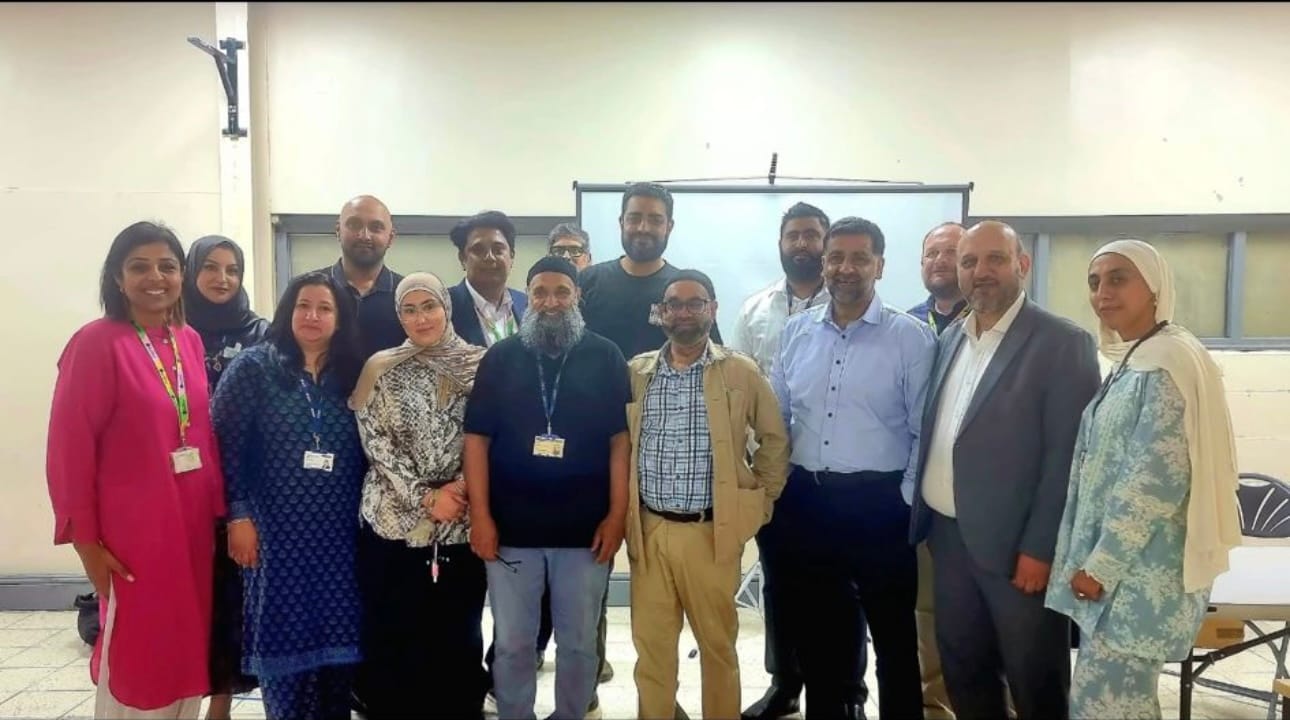
The Toller ward will always hold a special place in my heart. It is where I started, where I was trusted with responsibility at a young age and where I learned what it truly means to serve a community.
The ward is not just a place I represented – it is a community that shaped me, challenged me, and gave me the opportunity to grow. Every conversation on the doorstep, every case raised, and every resident who took the time to speak to me reminded me why I stood in the first place. No matter where life takes me next, Toller will always be part of my story.
The girl once told she was too young, too different, too unready – who faced hate and kept going – is no longer asking to be let in. She is already in the room.
Also in The Journal: we went on a journey to discover more about councillor Stephen Place, Bradford Council’s new leader ...
"For a while, Stephen Place was content with sharing his two cents on social media. He had no qualms about what he posted. This was who he was, what he thought and how he saw the world. Not that it mattered (basic civility notwithstanding). He wasn’t worth paying attention to. He didn’t have anything interesting to say. He was just another unremarkable and predictable voice on the online right drowned out by the feverish clamour of a “virtually lawless public square” overflowing with people clamouring to be heard and seen in an AI-powered “golden age of stupidity”.